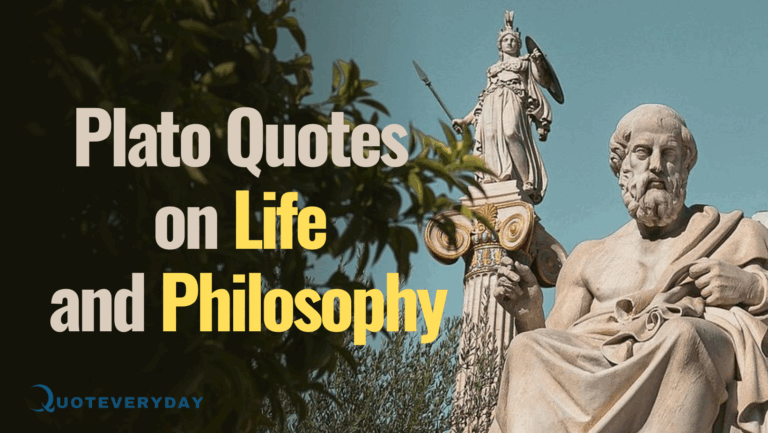
Aristotle was a Greek philosopher and one of the most influential thinkers in history. He made important contributions to many fields like logic, science, ethics and politics. Aristotle founded the Lyceum and was a student of Plato. His work formed the foundation for much of Western thought.
Aristotle wrote over 150 works many of which are still studied today. He developed the theory of logic and introduced ideas about virtue and ethics that continue to shape moral philosophy. His ideas on biology and physics also laid the groundwork for later scientific discoveries.
Table of Contents
Here are Famous Quotes From Aristotle About Philosophy

“The unexamined life is not worth living.”
This quote by Aristotle emphasizes the importance of self-reflection. He suggests that a life without introspection and questioning lacks true meaning. To live a fulfilling life we must examine our actions, beliefs and purpose, always striving for personal growth and understanding.
“Knowing yourself is the beginning of all wisdom.”
Aristotle quotes highlights that self-awareness is the foundation of wisdom. Understanding who you truly are your strengths, weaknesses, values and desires helps to take decisions and actions. Only by knowing yourself can you gain deeper insight into the world and improve as a person.
“Happiness depends upon ourselves.”
Aristotle teaches that happiness is within our control. External circumstances or other people cannot truly make us happy it is our own choices, attitudes and actions that shape our happiness. By taking responsibility for our well-being we can cultivate lasting contentment and peace.
“It is the mark of an educated mind to be able to entertain a thought without accepting it.”
Aristotle emphasizes the value of critical thinking and open-mindedness. An educated mind doesn’t blindly accept every idea but carefully considers and evaluates different viewpoints. The ability to entertain diverse thoughts without immediately agreeing shows intellectual maturity and understanding.
“We are what we repeatedly do. Excellence, then, is not an act, but a habit.”
Aristotle points out that excellence is not a one time achievement but the result of consistent actions. What we do regularly shapes who we are. By developing positive habits and practicing them, we can cultivate excellence in all areas of life making it a natural part of our character.
“The more you know, the more you realize you don’t know.”
Aristotle reflects on the endless nature of knowledge. As we learn more we become aware of how much is still unknown to us. This realization encourages humility and continuous learning reminding us that true wisdom comes from understanding the vastness of what we have yet to discover.
“Philosophy is the science which considers truth.”
Aristotle quotes on philosophy as the pursuit of truth. It goes beyond mere opinions or beliefs, focusing on understanding the deeper reality of existence. Philosophy seeks to uncover the fundamental truths about life, the universe and our place within it, guiding us toward clarity and insight.
“The educated differ from the uneducated as much as the living differ from the dead.”
Aristotle compares the impact of education to the difference between life and death. He suggests that education brings vibrancy, awareness and the ability to think critically while the uneducated remain unaware and passive. Education empowers individuals to actively engage with life and the world around them.
“All men by nature desire knowledge.”
Aristotle believes that the desire for knowledge is a natural part of being human. It is through curiosity and the pursuit of understanding that we grow intellectually and emotionally. This innate drive pushes us to explore question and learn shaping our development and enriching our lives.
“Patience is bitter, but its fruit is sweet.”
Aristotle acknowledges that patience can be difficult as it often requires enduring discomfort or delay. However, he points out that the rewards of patience such as achieving long-term goals or gaining deeper understanding are worthwhile and bring great satisfaction in the end.
“To be a good man is not enough; one must also be able to act well.”
Aristotle emphasizes that being a good person isn’t just about having good intentions or virtues, it’s also about translating those qualities into action. True goodness is reflected in how we act, make decisions and respond to situations, showing integrity through our behaviors as well as our character.

“The greatest virtues are those which are most useful to other persons.”
Aristotle highlights that the highest virtues are those that benefit others. Qualities like kindness, generosity and empathy help improve the lives of those around us. True virtue is not just about self improvement, but about making a positive impact on the well-being of others and society.
“Courage is the first of human qualities because it is the quality which guarantees the others.”
Aristotle views courage as the foundational virtue as it enables us to act in the face of fear or adversity. Courage allows us to practice other virtues like honesty, justice and wisdom. Without it we may lack the strength to follow through with what is morally right or necessary in difficult situations.
“It is not enough to possess knowledge, one must also apply it.”
Aristotle stresses that knowledge alone is not valuable unless it is put into action. True wisdom comes from applying what we know in real life. Without practical use knowledge remains ineffective so it’s important to not just understand concepts but to live by them and make meaningful changes.
“The aim of art is to represent not the outward appearance of things, but their inward significance.”
Aristotle believes that art’s true purpose is to reveal deeper meanings rather than just showing things as they appear. Art should go beyond surface level representation and express the essence, emotions and truths behind the subjects it portrays offering a deeper understanding of the world.
“A friend to all is a friend to none.”
Aristotle warns that trying to please everyone can lead to superficial relationships. A person who is equally close to everyone may lack true, meaningful connections. Genuine friendships are built on loyalty and trust and spreading oneself too thin often means not being truly devoted to anyone.
“Wisdom is the most precious thing in the world.”
Aristotle considers wisdom to be the greatest treasure a person can possess. It allows us to make sound decisions understand the world and live a fulfilling life. Wisdom brings clarity and guides us in navigating challenges making it more valuable than wealth or material possessions.
“The only true wisdom is in knowing you know nothing.”
Aristotle suggests that true wisdom begins with acknowledging our limitations. By recognizing how little we truly know we open ourselves to learning and growth. Humility in knowledge allows us to seek further understanding making us wiser as we embrace the vastness of what we have yet to discover.

“Time is the most valuable thing a man can spend.”
Aristotle emphasizes the irreplaceable value of time. Unlike money or material possessions, time once lost cannot be regained. How we choose to spend our time defines our lives, making it crucial to use it wisely and meaningfully to achieve our goals and cultivate relationships that matter.
“Good habits formed at youth make all the difference.”
Aristotle highlights the importance of developing good habits early in life. Positive routines and behaviors built during youth shape character and future success. By cultivating discipline, responsibility, and virtuous habits from a young age, individuals can ensure a strong foundation for lifelong growth and achievement.
“In all things of nature there is something of the marvelous.”
Aristotle encourages us to find wonder in the natural world. He believes that nature, in all its forms, holds incredible beauty and complexity. Whether it’s the simplicity of a flower or the vastness of the sky, there is always something awe-inspiring to appreciate in the world around us.

“I count him braver who overcomes his desires than him who conquers his enemies; for the hardest victory is over self.”
Aristotle argues that true bravery lies in mastering one’s own desires, rather than simply defeating external enemies. Overcoming internal temptations and impulses is a far greater challenge, as it requires self discipline and control. This victory over oneself is the ultimate display of strength and character.
“It is the nature of the wise to resist pleasures, but the foolish to be a slave to them.”
Aristotle teaches that wisdom involves the ability to resist fleeting pleasures, recognizing that true fulfillment comes from long-term goals and virtuous living. In contrast, those who act impulsively and indulge in short-term pleasures often become controlled by them, sacrificing their greater well-being for temporary satisfaction.

“The soul never thinks without a picture.”
Aristotle suggests that our thoughts are always tied to mental images. The mind forms pictures or representations of the concepts it processes, helping us understand and make sense of the world. This connection between thought and imagery is fundamental to how we learn, reason, and recall information.
In a Nutshell:
These quotes from Aristotle offer timeless wisdom that covers everything from self-reflection to the pursuit of knowledge. Each statement invites us to examine our lives, embrace personal growth and develop virtues that lead to lasting fulfillment. With his focus on courage, patience and wisdom, Aristotle quotes on philosophy continue to guide individuals on the path to a more meaningful and enriched life. The true power of these Aristotle quotes lies in their ability to spark introspection and inspire positive change. Whether you’re facing challenges or striving for happiness, these quotes by Aristotle offer practical and uplifting guidance for personal development.
If you are interested in more ancient wisdom then don’t miss our article on Plato philosophy quotes, where the ideas of another great mind reveal deeper truths about life, learning and the human soul.
If you found these quotes from Aristotle insightful, feel free to share them with friends, family or anyone who might benefit from Aristotle’s timeless wisdom. Let’s spread these meaningful messages and help others live more thoughtful, purposeful lives.